في السنوات الأخيرة، شهد سوق البناء النموذجي الأسترالي نموًا ملحوظًا. من مكاتب مواقع البناء في سيدني وملبورن، إلى أماكن إقامة القوى العاملة في كوينزلاند ومناطق التعدين في غرب أستراليا، إلى المنتجعات البيئية في خليج بايرون وجولد كوست - يتجه المطورون الأستراليون والمقاولون وحتى أصحاب المنازل الأفراد بشكل متزايد إلى المباني النموذجية المصنعة في الصين.
ومع ذلك، خلال تفاعلاتنا مع المشترين الأستراليين، لاحظنا وجود فجوة مشتركة: فالعديد منهم ليسوا على دراية كاملة بالعملية الكاملة والتكاليف الإجمالية التي ينطوي عليها شراء منزل معياري معتمد من أستراليا. يركز البعض فقط على تسعير المنتجات، ويتجاهلون الشهادات والخدمات اللوجستية؛ ويؤكد آخرون على تكاليف المصنع السابق، ويهملون نفقات الامتثال المحلية.
اليوم، نقوم بتحليل رحلة الشراء بأكملها وهيكل التكلفة من منظور المشتري الأسترالي الحقيقي.
I. عملية الشراء الحقيقية: من الاستفسار إلى التسليم – كم عدد الخطوات؟
الخطوة 1: تقييم الاحتياجات وتعريف المشروع
الخطوة الأولى لا تتمثل في النظر إلى المنتجات، بل في توضيح تصنيف المشروع. هل سيتم استخدام المبنى للسكن الدائم (الفئة 1 أ)، أو الدعم التجاري (الفئة 2-9)، أو الإقامة المؤقتة في الموقع (الفئة 10 أ)؟ تتطلب التصنيفات المختلفة مسارات مختلفة لإصدار الشهادات وتكوينات المنتج.
في هذه المرحلة، يحتاج المشترون عادةً إلى تحديد: مساحة الأرضية، وعدد الغرف، والطوابق، والنمط المعماري، والمتطلبات الوظيفية (على سبيل المثال، تجهيزات المطبخ/الحمام)، وموقع المشروع (لتحديد المنطقة المناخية، ومنطقة الرياح، ومستوى هجوم حرائق الغابات).
الخطوة 2: مرحلة التصميم والتقييم المسبق للامتثال
بمجرد تأكيد المتطلبات، تنتج الشركة المصنعة رسومات التصميم الأولية. المفتاح هنا لا يقتصر على الشكل الجمالي فحسب، بل أيضًا على الامتثال: هل يلبي التصميم الهيكلي متطلبات حمل الرياح والزلازل AS/NZS 1170؟ هل يتوافق تصميم كفاءة الطاقة مع القسم J من NCC أو المتطلبات الخاصة بالولاية؟ هل يلبي تصميم الحماية من الحرائق متطلبات مستوى هجوم حرائق الغابات AS 3959؟
تتطلب هذه المرحلة في كثير من الأحيان مشاركة مبكرة من مهندس مسجل أسترالي (على سبيل المثال، RPEQ) أو جهة اعتماد البناء للتحقق من امتثال التصميم، وتجنب إعادة العمل المكلفة لاحقًا.
الخطوة 3: عرض الأسعار وتوقيع العقد
بعد تأكيد التصميم، تقوم الشركة المصنعة بإصدار عرض أسعار رسمي. تنقسم عروض الأسعار عادةً إلى عدة مكونات: المنتج نفسه (الهيكل/المواصفات القياسية/التسليم الكامل)، ورسوم التصميم والاعتماد، وتكاليف التعبئة والتغليف، والنقل الداخلي إلى الميناء الصيني، والشحن البحري، ورسوم الموانئ الأسترالية، وتكاليف النقل والتركيب الداخلي الأسترالي. يقارن العديد من المشترين فقط "سعر تسليم المصنع" ويتجاهلون التكاليف النهائية - وهذا هو الفخ الأكثر شيوعًا.
عند توقيع العقود، يوصى بالتحديد بوضوح: شروط التجارة الدولية (FOB/CIF/DDP)، ومراحل الدفع، ومدة التسليم، وشروط الضمان، وأحكام المسؤولية.
الخطوة 4: التصنيع وفحص الجودة
بعد سريان العقد، يبدأ الإنتاج وفقًا للرسومات المعتمدة. تختلف المهل الزمنية حسب حجم المشروع وتعقيده، وعادةً ما تتراوح من 4 إلى 12 أسبوعًا.
فحص الجودة أثناء الإنتاج أمر بالغ الأهمية. تتطلب المنتجات القياسية الأسترالية الأصلية وثائق جودة يمكن تتبعها: تقارير اختبار المواد الفولاذية، وسجلات فحص اللحام، وتقارير اختبار المواد العازلة، وسجلات اختبار النظام الكهربائي، والمزيد. يُنصح المشترين بترتيب عمليات فحص من طرف ثالث أو طلب صور شاملة لتقدم الإنتاج وتقارير الاختبار من الشركة المصنعة.
الخطوة 5: تخليص الصادرات والشحن البحري
بعد اكتمال الإنتاج واجتياز فحص المصنع، تبدأ مرحلة التصدير: حجز مساحة الشحن، والتخليص الجمركي للتصدير، وتحميل الحاويات، والشحن البحري.
تشمل التكاليف في هذه المرحلة ما يلي: الشحن البحري (شديد التقلب مع أسواق الشحن الدولية)، والتأمين، ورسوم مناولة محطة ميناء الوجهة (THC)، ورسوم التوثيق.
الخطوة 6: التخليص الجمركي الأسترالي والنقل الداخلي
عند الوصول إلى أحد الموانئ الأسترالية (على سبيل المثال، سيدني وملبورن وبريسبان وفريمانتل)، يجب أن تمر البضائع عبر تخليص الاستيراد. يتضمن ذلك: الرسوم الجمركية (عادة 5%)، وضريبة السلع والخدمات (10%)، ورسوم المخلص الجمركي، ورسوم تخزين الميناء (قد يؤدي التأخير إلى تكاليف إضافية).
بعد التخليص، يتم نقل البضائع داخليًا إلى موقع المشروع. تعني المسافات الشاسعة في أستراليا أن تكاليف النقل الداخلي تختلف بشكل كبير - من بضع مئات من الدولارات الأسترالية إلى داخل سيدني، إلى عدة آلاف أو حتى عشرات الآلاف من الدولارات الأسترالية إلى مواقع التعدين النائية في غرب أستراليا أو الإقليم الشمالي.
الخطوة 7: التثبيت في الموقع والفحص النهائي
بمجرد تسليمها إلى الموقع، يتولى فريق التثبيت المحلي عمليات الرفع والفتح والتأمين ووصلات المرافق. تتطلب المنازل المعيارية الحد الأدنى من العمل في الموقع - عادةً ما يستغرق التركيب من 1 إلى 3 أيام، مقارنة بأشهر البناء التقليدي، مما يوفر قدرًا كبيرًا من الوقت والجهد.
بعد التثبيت، تقوم جهة التصديق أو المجلس المحلي بإجراء التفتيش النهائي وإصدار شهادة الاحتلال (OC) - الوثيقة الأساسية للإشغال القانوني أو استخدام المبنى.
ثانيا. توزيع التكاليف: أين تذهب الأموال؟
يركز العديد من المشترين الأستراليين فقط على "سعر المنتج"، ولكن التكلفة الإجمالية للمنزل المعياري الأسترالي تتكون من مكونات متعددة. فيما يلي تفصيل كامل للسلسلة من المصنع إلى الإشغال:
1. تكلفة المنتج (عادةً من 40% إلى 60%)
المكون الأساسي، بما في ذلك: الهيكل الرئيسي (الإطار الفولاذي، وألواح الجدران، والأسقف، والأرضيات)، والنوافذ والأبواب، والعزل، والتشطيبات الداخلية والخارجية، والكهرباء والسباكة المثبتة مسبقًا، وتركيبات المطبخ والحمام، وما إلى ذلك. المواصفات الأعلى تعني زيادة حصة تكلفة المنتج.
2. تكاليف التصميم والاعتماد (عادةً 5%-10%)
غالبًا ما يتم التغاضي عن هذا الأمر ولكنه يشكل التكلفة الأساسية للامتثال "للمعيار الأسترالي". تشمل: الحسابات الهيكلية للمهندس الأسترالي ورسوم الشهادات، وتقارير كفاءة الطاقة، وتقييمات مستوى هجوم حرائق الغابات (حيثما ينطبق ذلك)، ووثائق الامتثال الخاصة بالولاية، وما إلى ذلك. يمكن أن تتكلف حزمة الشهادات الكاملة من عدة آلاف إلى عشرات الآلاف من الدولارات الأسترالية.
3. تكاليف التغليف (عادة 2%-5%)
تعتبر متطلبات تعبئة الصادرات أكثر صرامة بكثير من متطلبات النقل المحلي. يتضمن ذلك عادةً: تقوية الإطار الفولاذي، ومعالجة حاجز الرطوبة، والغطاء المقاوم للماء، ووضع العلامات ووضع العلامات، وما إلى ذلك، مما يضمن بقاء البضائع سليمة أثناء الشحن البحري.
4. النقل الداخلي الداخلي (الصين) (عادة 2%-5%)
النقل من المصنع إلى ميناء التصدير الصيني (على سبيل المثال، ميناء قوانغتشو، ميناء شنتشن).
5. الشحن البحري الدولي (عادة 10%-20%)
شديدة التقلب مع تقلبات سوق الشحن الدولي. تختلف أسعار الحاويات 20 قدمًا و40 قدمًا، ويؤثر موقع ميناء الوجهة على الأسعار. عادة ما تكون رحلات الصين إلى الساحل الشرقي لأستراليا (سيدني/ملبورن) أرخص من رحلاتها إلى غرب أستراليا (فريمانتل).
6. رسوم الاستيراد الأسترالية وضريبة السلع والخدمات (عادةً 10%-15%)
- الرسوم الجمركية: عادة 5% (يعتمد المعدل على رمز النظام المنسق للمنتج)
- ضريبة السلع والخدمات: 10% (تحسب على القيمة الشاملة للرسوم الجمركية)
7. التخليص الجمركي الأسترالي ورسوم الموانئ (عادةً 3%-8%)
تشمل: رسوم المخلص الجمركي، ورسوم مناولة الميناء، ورسوم التوثيق، ورسوم فحص الحجر الصحي (حيثما ينطبق ذلك)، وما إلى ذلك.
8. النقل الداخلي الأسترالي (عادة 5%-15%)
النقل من ميناء الوجهة إلى موقع المشروع. كلما زادت المسافة وأصبح الطريق أكثر تعقيدًا، زادت التكلفة. يمكن أن تكلف المناطق النائية مثل مناطق التعدين في غرب أستراليا أو الإقليم الشمالي عدة مرات أكثر من المناطق الحضرية.
9. تكاليف التركيب في الموقع (عادةً 5%-10%)
يشمل ذلك: استئجار الرافعات، وعمالة التركيب، وتوصيلات المرافق، والأدوات والمواد الاستهلاكية، وما إلى ذلك. تكاليف العمالة الأسترالية مرتفعة، ولكن التركيب المعياري للمنزل في الموقع يكون قصيرًا، مما يجعل إجمالي التكاليف تحت السيطرة.
10. تكاليف متنوعة أخرى (عادة 2%-5%)
تشمل: أقساط التأمين، والرسوم المصرفية، وخسائر تقلبات أسعار الصرف (عند التسعير بالرنمينبي)، وتكاليف إعداد الموقع (على سبيل المثال، أعمال الأساس)، وما إلى ذلك.
ثالثا. المفاهيم الخاطئة الشائعة والنصائح العملية
المفهوم الخاطئ 1: مقارنة أسعار المصنع فقط
يتساءل العديد من المشترين "كم سعر المتر المربع؟" ومقارنة عروض أسعار المصنع فقط. ومع ذلك، غالبًا ما يكمن فرق التكلفة الحقيقي بعد تسليم المصنع: هل الشهادات كاملة؟ هل التغليف يصل إلى المستوى القياسي؟ هل الخطة اللوجستية مثالية؟ هذه هي الأماكن التي تظهر فيها الفجوات.
نصيحة: اطلب عرض أسعار كاملاً يغطي الشهادات والتعبئة والخدمات اللوجستية - وليس سعر المنتج فقط.
المفهوم الخاطئ 2: التقليل من تكاليف الشهادة
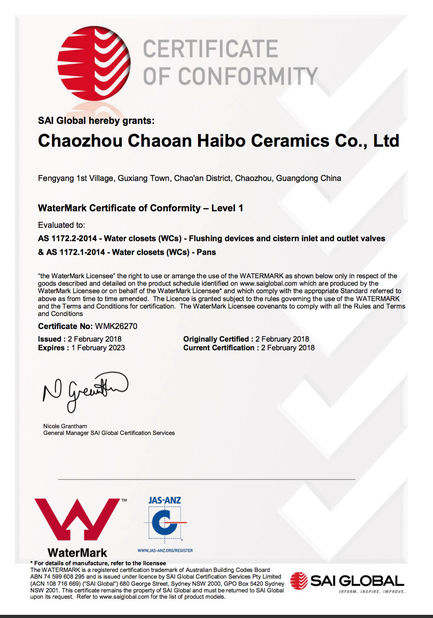
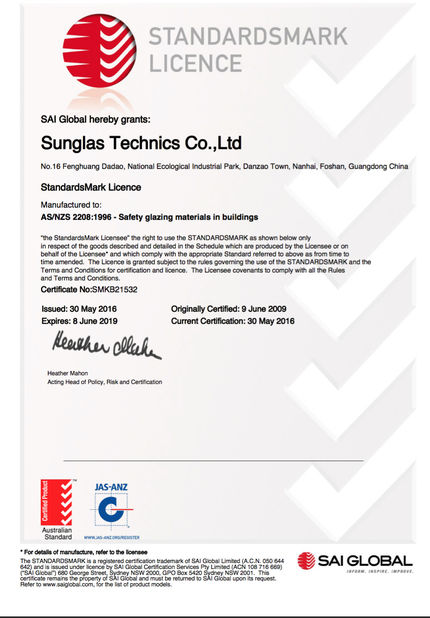
إن المنزل المعياري الأسترالي الحقيقي المتوافق مع NCC/AS/NZS لا يتطلب مجرد "قطعة من الورق" بل مجموعة كاملة من الوثائق الفنية التي يمكن تتبعها. إذا ادعى أحد الموردين أنه "متوافق مع المعايير الأسترالية" ولكن لا يمكنه تقديم حزمة ملف اعتماد كاملة، فيجب توخي الحذر الشديد.
نصيحة: اطلب مسارات الاعتماد والتكاليف المقدرة في مرحلة التصميم، وقم بتخصيص مسؤوليات الاعتماد بشكل واضح في العقد.
المفهوم الخاطئ 3: التغاضي عن التثبيت والفحص المحلي
تسليم المبنى ليس نهاية المشروع. تختلف متطلبات التثبيت والفحص عبر الولايات الأسترالية - إذا لم يكن فريق التثبيت على دراية بالقوانين المحلية، فقد تحدث حالات فشل في الفحص، مما يؤدي إلى تكاليف تصحيح إضافية وتأخير.
نصيحة: تأكد مقدمًا مما إذا كان فريق التثبيت يتمتع بخبرة المشروع الأسترالي وعلى دراية بمتطلبات التفتيش الخاصة بالمجلس المحلي.
رابعا. ملخص
إن شراء منزل معياري معتمد من أستراليا لا يعني مجرد "شراء صندوق وشحنه". إنها عملية منهجية - بدءًا من الامتثال للتصميم وحتى مراقبة جودة الإنتاج، ومن الخدمات اللوجستية الدولية إلى التخليص المحلي، ومن التثبيت في الموقع إلى الفحص النهائي - تحمل كل خطوة تكاليف ومخاطر مقابلة.
سيساعدك المورد الموثوق به حقًا على فهم تكاليف السلسلة الكاملة والعمليات في مرحلة عرض الأسعار - وليس فقط تقديم "سعر تسليم المصنع" وتركك تكتشف كل شيء آخر.
KONBUILD — المنازل النموذجية الأسترالية المعتمدة. تسليم شفاف من التصميم إلى الإشغال.
لمزيد من المعلومات حول معايير الشهادات الأسترالية أو عروض أسعار المشاريع أو الحلول المخصصة، يرجى الاتصال بنا.
© KONBUILD — علامة تجارية لمجموعة RAD. مصممة لأستراليا. بنيت لتدوم.
www.konbuild.com
www.expandablecontainerhouse.com
جهات اتصال العمل/المشروع:
- +86 13288285314 (واتساب)
- +86 13924859314 (وي تشات)
#كونبيلد
#AUstandardhouse
#AUcabins



 يجب أن تكون رسالتك بين 20-3000 حرف!
 Arabic